Payment Terms for Bulk Clothing Orders: Deposits, LCs & Staying Safe
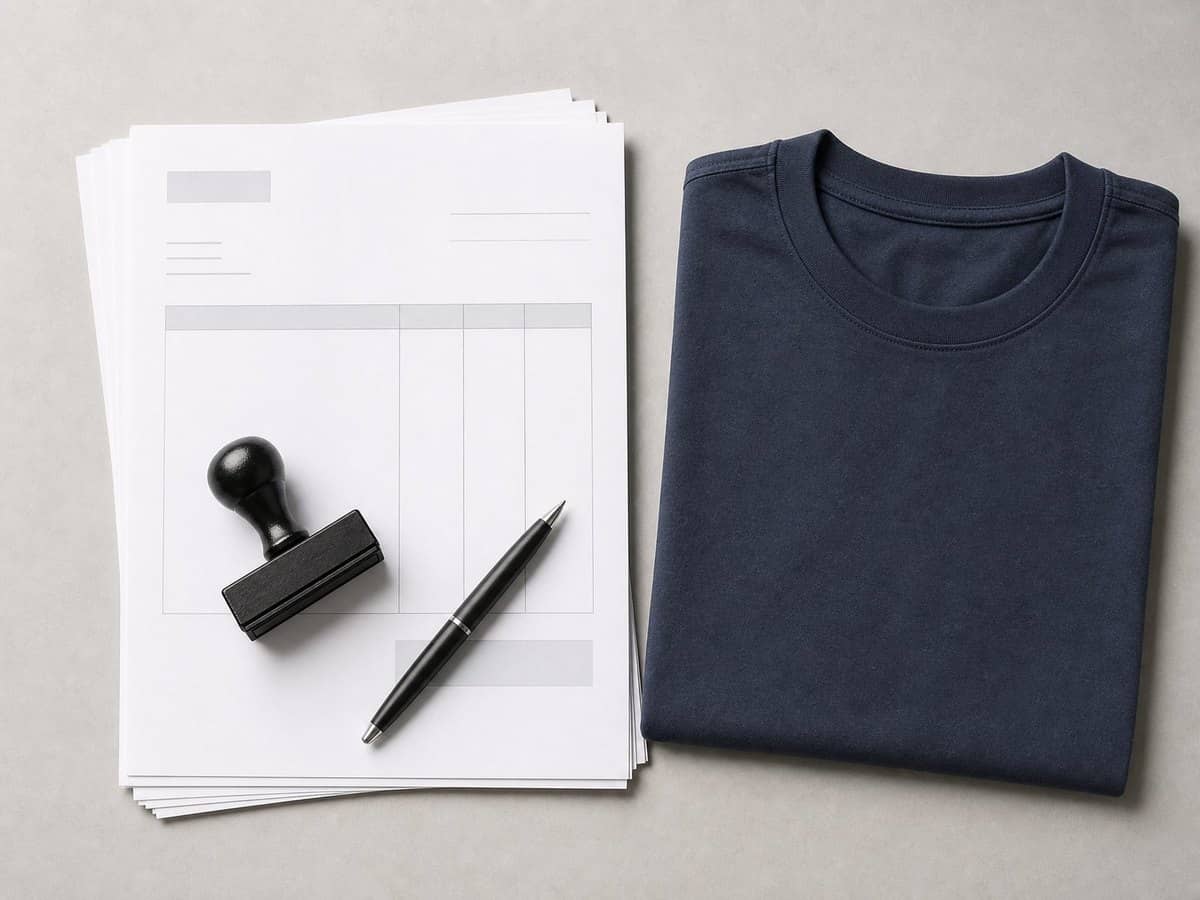
A bulk order ties up real money for weeks before a single carton arrives. Knowing the standard payment structures — and the tools that protect both buyer and factory — keeps a large order safe and the relationship healthy.
The standard structure
The most common arrangement is a deposit up front (often around 30%) to confirm the order and buy fabric, with the balance paid before or on shipment, frequently against inspection or shipping documents. The deposit shows commitment; the balance protects you until the goods are made and checked.
Letters of credit (LC)
For larger international orders, a letter of credit is common. Your bank guarantees payment to the factory's bank once specific documents are presented (proof of shipment, inspection, and so on). It protects the factory (payment is guaranteed) and you (it only releases when the agreed conditions are met). It carries bank fees and paperwork, but it de-risks a big first order.
Other methods
- Bank transfer (TT) — simple and standard for deposits and balances with a trusted partner.
- Escrow / trade-assurance platforms — a third party holds funds until you confirm receipt; useful early in a relationship.
- Milestone payments — tying tranches to sample approval, mid-production and inspection.
Why factories ask for a deposit at all
A deposit request can feel like risk transfer, and understanding what it actually pays for makes the negotiation easier. Before a single garment is sewn, a factory has bought your fabric, your trims and your labels — materials that are specific to your order and worth very little to anyone else. On a typical run that is most of the unit cost, committed weeks before the first invoice would otherwise be due.
That is why a deposit around 30% is standard and why a supplier asking for nothing upfront is not necessarily the safer choice: they may be planning to source cheaper materials than quoted, or they may not have the working capital to buy yours. Neither is good news for a first order.
What is negotiable, and what is not
- Negotiable: the split. 30/70 is common; 30/40/30 against milestones is achievable once you have a track record.
- Negotiable: the trigger for the balance — tie it to passing final inspection rather than to a date on a calendar.
- Negotiable: payment method and who absorbs the transfer fees.
- Rarely negotiable: paying nothing before fabric is bought, on a first order with no history.
- Never worth pushing: a price so low the deposit does not cover materials. That is not a win, it is a substitution waiting to happen.
Practical protections that cost nothing
Most protection in this trade is procedural rather than legal, and the cheap measures do most of the work.
- Pay to a company account whose name matches the entity on your invoice. A request to pay a personal account is a stop signal.
- Tie the final payment to inspection, and say so in the order confirmation before you pay the deposit rather than after.
- Keep it in writing. An order confirmation naming quantities, price, incoterm, lead time and payment milestones is worth more than a contract nobody will litigate across borders.
- Start smaller than feels efficient. A first order at 100 pieces is a cheaper way to test a supplier than a legal remedy is to enforce one.
- Ask for staged photos. A factory sending progress photos unprompted is demonstrating something a payment term cannot.
Protecting both sides
Good terms are fair both ways. Tie payments to clear milestones (a signed PP sample, a passed final inspection), put everything in the purchase order, and never send a balance before the QC report you agreed on. A factory worth working with will welcome that structure, not resist it.
Clear payment milestones aren't a sign of distrust — they're what lets two businesses trust each other on a six-figure order.
We'll set out simple, milestone-based terms for your order and explain every step. Ask us how it works.
Frequently asked questions
What are typical payment terms for bulk clothing orders?
The common structure is a deposit before production and the balance before or on shipment. The deposit exists for a concrete reason rather than as a formality: it funds fabric purchase, which the factory must commit to before a single garment is cut, and it demonstrates the order is real. Balance terms vary more, and this is where the useful negotiation happens — tying final payment to a passed inspection report rather than simply to a shipping date gives you leverage precisely when you need it. Two patterns to treat cautiously on a first order: a supplier requiring the full amount upfront, and one accepting only payment methods with no recourse. Neither is automatically dishonest, but both remove your protection at the point it matters.
What is a letter of credit (LC) in garment trade?
A letter of credit is an undertaking from your bank to pay the supplier once they present a specified set of documents — typically proof of shipment, an inspection certificate, and whatever else the LC names. The mechanism protects both sides: the factory knows payment is guaranteed by a bank rather than dependent on your goodwill, and you know payment only releases against evidence the goods exist and meet the agreed terms. The trade-off is cost and administration, since banks charge fees and the documentation must match exactly or payment stalls. LCs generally make sense on larger orders where the sums justify the overhead, and are usually unnecessary friction on a first 100-piece run.
How do I pay a clothing manufacturer safely?
Structure payment around verifiable events rather than dates. The two milestones worth anchoring to are the approved pre-production sample, which proves the product is right before bulk begins, and the final inspection report, which proves the bulk matches it. Write both into the purchase order alongside the AQL standard you expect, so quality is a defined threshold rather than a later argument. Keep records of every agreement in writing rather than in calls. And resist paying the balance before the inspection you specified has actually happened — that sequence exists for a reason, and the pressure to waive it usually arrives exactly when a shipment is running late, which is when you can least afford to.
Free tools & guides for this
Sources & further reading
Have an idea? Let’s make it.
We manufacture from 100 pieces per style, with GOTS-certified organic options and photos at every stage. Send a sketch or a sentence — we’ll reply within a day.