Narayanganj, the "Dundee of Bangladesh": Why Our Factory Is Here
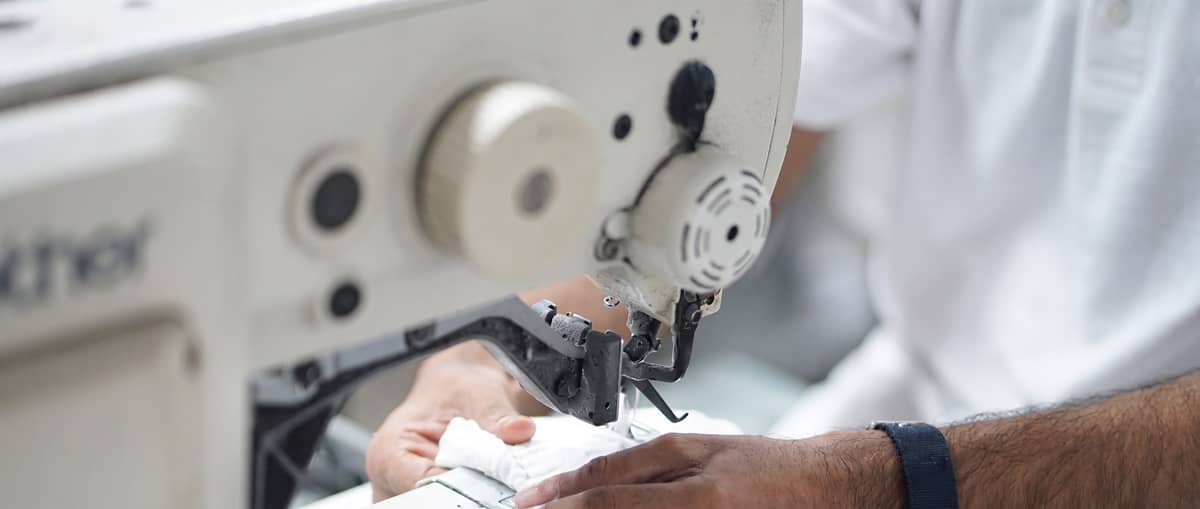
Our factory address says Narayanganj, and most people outside Bangladesh have never heard of it. It's worth explaining why a city an hour from Dhaka has been a textile town for close to two centuries — not because the history makes our clothes any different, but because it's a real answer to "why here", and most factories never bother giving one. If you want the practical version instead — what we make, minimums, lead times — that is on our Bangladesh manufacturing page.
The nickname, and where it actually comes from
Narayanganj is sometimes called the "Dundee of Bangladesh" — a direct echo of Dundee, Scotland, which was the world's first industrialised jute-processing city, sometimes called "Juteopolis" in its own right. The comparison isn't a modern marketing line; it's a real nickname earned by more than a century of jute trade concentrated in one place on the Shitalakhya river.
The trade itself is older than the nickname. Jute export out of Narayanganj began in 1830, when the Rally Brothers started shipping raw jute west, with backing from a company based in Assam. By 1908, the city hosted 18 European and 2 Indian jute trading companies operating out of Calcutta — a genuine international trading hub, not a local market.
Adamjee: once the largest jute mill in the world
The clearest landmark in that history is Adamjee Jute Mills, built in 1950–51 on 295 acres beside the Shitalakhya river in Siddhirganj, within Narayanganj district. At its peak it was the largest jute mill in the world — bigger than anything in Calcutta or in Dundee itself, the city it was implicitly being compared to. It ran for half a century before closing in 2002, after years of losses, as synthetic packaging replaced jute sacking worldwide and the global jute trade contracted.
There's a second historical turn worth knowing, and it's less romantic: after 1947, when the new border split jute-growing land from most of the existing jute mills, the industry here shifted from raw jute trading to jute milling — new mills, including Adamjee, were built specifically because the processing capacity that used to sit across the new border no longer could.
The jute mills are gone. What's left is a place that has known how to run a textile export business, at real scale, for close to two hundred years.
Same city, different fibre — and we're not pretending otherwise
It would be easy to write this piece as though our factory grew out of that history in some direct line. It didn't, and we're not going to imply it did. Collective Studio was founded in 2019. We are a cut-and-sew knitwear operation — jersey, fleece, rib — not a jute mill, and nobody currently working our floor has any connection to Adamjee or the trading houses of 1908. That continuity would be a nicer story, and it isn't a true one.
What's true, more modestly, is this: Narayanganj has been a place where textile fibre gets bought, processed, and exported at real scale for the better part of two centuries. The fibre changed — jute, then cotton and synthetic knits, as Bangladesh's ready-made garment industry grew nationally from the 1980s onward (we cover that fuller story in our guide to the Bangladesh garment industry) — but the place kept the trade. That's a genuine, checkable reason a knitwear factory sits here rather than somewhere with no textile history at all, and it's the honest version of the "heritage" story, not the embellished one.
Where we fit
Collective Studio is a family-run knitwear manufacturer in Narayanganj — our own cut-and-sew floor, GOTS-certified under certificate RSC 9687, BKMEA and Narayanganj Chamber of Commerce member, founded 2019. We didn't inherit a jute mill and we don't claim to have. We did choose to build a factory in a city with a real, sourced textile history, and we'd rather tell you the accurate version of that than a nicer-sounding one. See our own story, the factory profile, or start your collection. As with the mills that made this city’s name, our work leaves the country: we are a 100% export factory, shipping DDP to brands overseas rather than supplying shops at home.
What clients say
Collective Studios under the direction of Mr Jamish and his daughter Homaira represent the future of RTW production in Bangladesh. A thorough approach to detail governed by a genuine standard of quality. Masters of and partners in the process!
I have had a very good experience with this company. They are very friendly, professional, and provide fast service. They speak fluent English, which makes communication very easy. The quality of their manufacturing is excellent. I have no doubt in recommending this company to anyone looking for a reliable manufacturing partner in Bangladesh.
Frequently asked questions
Why is Narayanganj called the Dundee of Bangladesh?
Narayanganj is called the Dundee of Bangladesh because more than a century of jute trade was concentrated there, on the Shitalakhya river, just as Dundee in Scotland became the world's first industrialised jute-processing city, sometimes nicknamed Juteopolis. The name is a direct echo of Dundee, and it is a real nickname, not a modern marketing line. The trade came first and the milling later, when the town became home to Adamjee Jute Mills, once the largest jute mill in the world. The nickname is about jute, not clothing. Garments came much later, as Bangladesh's ready-made garment industry grew nationally from the 1980s onward, and the fibre changed to cotton and synthetic knits. What connects the two eras is the place: Narayanganj has bought, processed and exported textile fibre at real scale for close to two centuries, which is one real reason a knitwear factory sits here today. It is not a claim that any modern factory descends from the jute mills.
What was Adamjee Jute Mills, and why did it close?
Adamjee Jute Mills was a jute mill built in 1950-51 on 295 acres beside the Shitalakhya river in Siddhirganj, within Narayanganj district, and at its peak it was the largest jute mill in the world. It was bigger than any mill in Calcutta, and bigger than anything in Dundee, the Scottish city the nickname echoes. It ran for half a century before closing in 2002, after years of losses, as synthetic packaging replaced jute sacking worldwide and the global jute trade contracted. The mill was itself a product of the new border of 1947. That border split jute-growing land from most of the existing jute mills, so new mills, Adamjee among them, were built here because most of the old processing capacity now sat on the other side of it. The jute mills are gone. What remains is a district that knows how to run a textile export business at real scale.
When did the jute trade start in Narayanganj?
Jute export out of Narayanganj began in 1830, when the Rally Brothers started shipping raw jute west, with backing from a company based in Assam. The trade grew from there. By 1908 the city hosted 18 European and 2 Indian jute trading companies operating out of Calcutta, which made Narayanganj a genuine international trading hub rather than a local market. For more than a century the business here was trading: raw jute was bought and shipped, and most of the milling happened elsewhere. That changed after 1947, when the new border cut the jute-growing land off from most of the existing mills. The industry here shifted from trading jute to milling it, and Adamjee Jute Mills followed in 1950-51. Those three dates, 1830, 1908 and 1947, explain why the town earned its jute-era nickname, and why textile export has stayed part of its working life ever since.
Is Narayanganj still a textile city today?
Yes. Narayanganj is still a textile city, but the fibre has changed from jute to cotton and synthetic knits. The jute mills closed as the global jute trade contracted, and the district kept the trade as Bangladesh's ready-made garment industry grew nationally from the 1980s onward. The trade today is knit garments rather than jute sacking, and the knitting mills and dye houses that feed a sewing floor are still close together in the district. The city is about an hour from Dhaka, and most people outside Bangladesh have never heard of it, so a factory address here can look obscure to an overseas buyer. If a supplier names Narayanganj, check that its production address really is here. Collective Studio's own cut-and-sew floor is at Plot-A-132, Road No. 02, BSCIC Industrial Area, Panchabati, Narayanganj 1420, Bangladesh, and pre-arranged visits are welcome.
Is Collective Studio connected to Narayanganj's old jute mills?
No. Collective Studio was founded in 2019 as a family-run cut-and-sew knitwear operation, making jersey, fleece and rib garments, and nobody currently working our floor has any connection to Adamjee Jute Mills or the trading houses of 1908. A straight line from the jute era to our factory would be a nicer story, and it is not a true one, so we do not tell it. We chose to build in a city with a real, sourced textile history, where the knit supply chain already exists: our cut-and-sew floor sits inside the Narayanganj knit cluster, and our fabric is knitted and dyed by partner mills and dye houses in Bangladesh. Those partners are separate companies, not ours. The one real echo of the jute era is where the work goes. Like the mills that made the city's name, our output leaves the country: we are a 100% export factory, shipping DDP to brands overseas rather than supplying shops at home.
Where is Narayanganj in Bangladesh?
Narayanganj is a city and district about an hour from Dhaka, the capital of Bangladesh, on the Shitalakhya river. The river is part of the reason it became a trading town: jute export from Narayanganj began in 1830, and by 1908 the city hosted 18 European and 2 Indian jute trading companies. Adamjee Jute Mills, once the largest jute mill in the world, stood beside the Shitalakhya in Siddhirganj, within the district, from 1950-51 until it closed in 2002. Today the district's textile trade is knit garments, with knitting mills, dye houses and sewing floors close together. Most people outside Bangladesh have never heard of it, so a factory address there can look obscure on a quote. Collective Studio's cut-and-sew floor is at Plot-A-132, Road No. 02, BSCIC Industrial Area, Panchabati, Narayanganj 1420, Bangladesh, and you can put that address on a map before you contact us.
What does Collective Studio make at its factory in Narayanganj?
Collective Studio cuts and sews knitwear on its own floor in Narayanganj: t-shirts, hoodies, sweatshirts, joggers, polo shirts and other knit garments in jersey, French terry, fleece, piqué, rib and interlock. Screen printing, DTF, embroidery and sublimation can be added as part of the order, and organic cotton is available, made in our GOTS-certified facility (RSC 9687). The minimum is 150 pieces per style and per colour, and the same process applies from a first run to bulk. Spinning, knitting and dyeing are done by partner mills and dye houses in Bangladesh that we specify to and inspect, and they are separate companies. We do not make denim, jackets, woven shirts or tailoring. The business was founded in 2019, is family-run, and is a member of BKMEA and the Narayanganj Chamber of Commerce. It is a 100% export factory, so everything made on the floor ships abroad, DDP to the brand.
Can I visit a garment factory in Narayanganj before placing an order?
Yes, and you should ask any factory there for a visit, either in person or as a live video call during a working shift. Narayanganj is about an hour from Dhaka, so a visit fits easily into a sourcing trip. Collective Studio welcomes pre-arranged visits to its cut-and-sew floor at Plot-A-132, Road No. 02, BSCIC Industrial Area, Panchabati, Narayanganj 1420, and offers a live video walk of the floor if you cannot travel. Our floor works Saturday to Thursday, 09:00 to 17:00 Bangladesh time, so plan the visit or call within those hours. When you are there, look past the sample room: check that the machines match the product you are buying, that fabric is stored properly and that fire exits are clear, and ask to see the QC table and the fabric store. Match the sign and address plate on the building to the address on the certificate and the quote.
Where this applies
The manufacturing pages this guide relates to, if you are costing a real run.
Free tools & guides for this
Cite this guide
For journalists, writers, researchers and students.
Quoting this guide? Please credit Collective Studio and link to this page.
Reference
Homaira Jashim, Collective Studio. "Narayanganj, the "Dundee of Bangladesh": Why Our Factory Is Here." 19 September 2026. https://collectivestudioltd.com/journal/narayanganj-dundee-of-bangladesh
Writing about us? Our press kit has our facts, logos and photos, free to use with credit.
Have an idea? Let’s make it.
We manufacture from 150 pieces per style and colour, with organic cotton options from our GOTS-certified facility and photos at every stage. Send a sketch or a sentence — we’ll reply within one business day.