27% VAT, said out loud
The EU's highest standard rate, charged on the customs value at import and quoted inside our DDP price. Duty itself is zero, and the VAT is recoverable.
Premium knitwear manufacturing for Hungarian brands — duty-free under Everything But Arms, Hungary's 27% import VAT stated plainly and quoted inside one landed price, labels in Hungarian, and the inland leg planned with the order.
Collective Studio makes cut-and-sew knitwear for Hungarian brands in Narayanganj, Bangladesh, from 100 pieces per style and colour, delivered DDP in roughly 40–50 days plus transit, duty-free under Everything But Arms with Hungary's 27% import VAT inside the quote. Labels are sewn in Hungarian, GOTS certificate RSC 9687 backs the GPSR file, and the Adriatic route is priced with the order.
Or message the factory directly: WhatsApp +880 1980 055026 · hello@collectivestudioltd.com · Homaira replies within one business day.
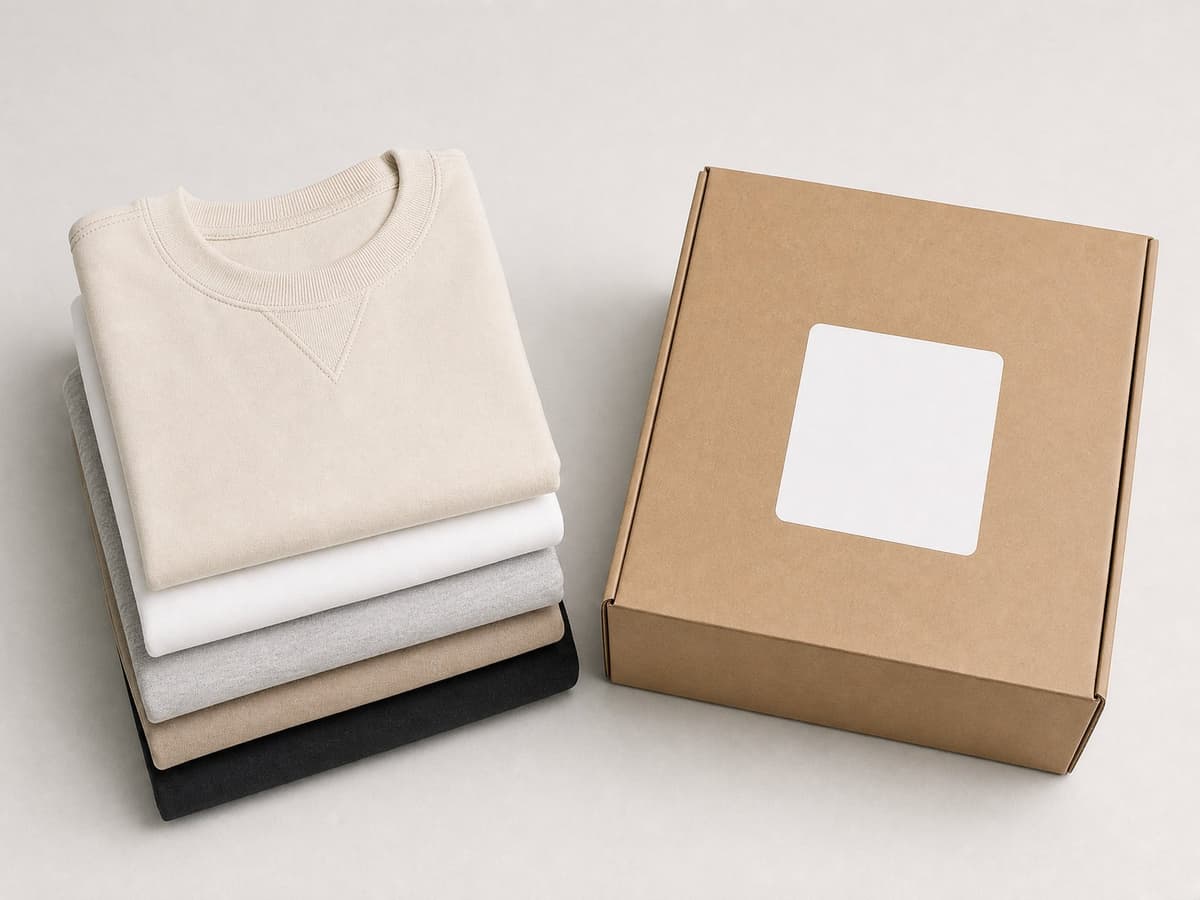
We are a clothing manufacturer for Hungarian brands: a family-run cut-and-sew knitwear floor in Narayanganj, Bangladesh, with a brand office in Amsterdam, making t-shirts, polos, hoodies, sweatshirts, joggers, shorts, activewear and loungewear from 100 pieces per style and colour. Budapest has a strong independent design scene and very little local knit capacity at a hundred pieces, which is the gap this page is written for.
The number everyone asks about first: Hungary's general VAT rate is 27%, the highest in the European Union, charged at import on the customs value plus any duty. We would rather put that at the top than bury it. Duty itself is zero, because Bangladesh-made apparel enters the EU duty-free under Everything But Arms, and we ship DDP, so the VAT sits inside the price you approve rather than arriving as a separate assessment. A VAT-registered importer recovers it on the periodic return, and it is the same 27% a Hungarian-made garment carries at the till, so it does not tilt the comparison with a domestic workshop.
Routing: Hungary is landlocked, so goods arrive by sea at Koper in Slovenia, Rijeka in Croatia or Trieste in Italy, all on the Adriatic and a shorter sea leg from Suez, then travel on by rail or road to Budapest in about a day. Hamburg is the northern alternative when you consolidate with German stock. Budapest Ferenc Liszt handles air freight in days. We quote the whole chain to your door.
Labelling: fibre composition follows the EU regulation, and the Commission's guidance is to translate the label into every official national language where the product is made available, so labels for Hungary are in Hungarian. We sew them to your artwork, adding Slovak, Romanian, Croatian or German if you sell across the borders. The General Product Safety Regulation adds the manufacturer's name and addresses on the product or packaging and an EU-established responsible operator, which a Hungarian company importing from us is.
What we make can carry GOTS organic cotton under certificate RSC 9687 with a transaction certificate for your order. What we do not make: denim, jackets and woven shirts, which our partner buying house in the same industrial area sources as a separate order. Our lead time is about 50 days from a confirmed order to handover, and the launch-date calculator counts back from your on-sale date.
If you are comparing ruhagyártó options abroad and finding mostly agents, apply the test we suggest everywhere: ask for the factory's street address, its BKMEA membership and a live video call from the floor during a working shift. Ours is Plot-A-132, Road No. 02, BSCIC Industrial Area, Panchabati, Narayanganj 1420, and our Austrian and Romanian pages cover the neighbours.
| Bangladesh (our floor) | China | Vietnam | Turkey | Portugal | |
|---|---|---|---|---|---|
| Duty preference into Hungary | Duty-free under Everything But Arms; single-transformation origin; kept three years after LDC graduation (verified 21 Sep 2026). Import VAT applies to every origin | No preference; the standard EU rate for the commodity code applies | EU–Vietnam trade agreement preferences apply only where its fabric-origin rules are met | EU–Turkey customs union: no duty on goods in free circulation | EU production: no import, no customs entry, no import-VAT event |
| Sea route to Hungary | Via Suez to Koper, Rijeka or Trieste on the Adriatic, then about a day by rail or road; Hamburg as the northern alternative | Via Suez; a similar sea leg | Via Suez; a similar sea leg | Road and short-sea; days rather than weeks | Road; days |
| Where it tends to be strongest | Cotton knit basics at low minimums, GOTS organic, landed cost | Breadth of fabrics, trims and technical construction | Large woven, outerwear and sportswear programmes | Speed to market, denim and knit, mid-range cost | Premium made-in-EU positioning, small runs, highest unit cost |
| Choose it when | You want cut-and-sew knitwear from 100 pieces, duty-free, with the GPSR file built during production | You need materials or constructions a knit specialist cannot source | You are placing large woven or performance programmes | You need weeks, not months, and can carry a higher unit cost | The made-in-Europe label is central to the brand and price is secondary |
The EU's highest standard rate, charged on the customs value at import and quoted inside our DDP price. Duty itself is zero, and the VAT is recoverable.
Bangladesh-made apparel enters Hungary at 0% duty under Everything But Arms, kept three years after LDC graduation under Regulation (EU) 2026/1395.
Koper, Rijeka or Trieste give a shorter sea leg and about a day inland to Budapest. We price the whole chain rather than hand you a port.
Launch or test in the Hungarian market with 100 pieces per style, per colour, cut and sewn to your pattern, GOTS organic if you want it.
Last verified: 21 September 2026, against the official sources listed under Sources below.
Hungary applies the EU's common rules: a garment cut and sewn on our floor enters duty-free under Everything But Arms on a single-transformation origin rule, and Regulation (EU) 2026/1395 keeps that access for three years after Bangladesh graduates from LDC status. The Hungarian part is the tax: under section 82(1) of the VAT Act (2007. évi CXXVII. törvény), as the national tax and customs administration sets out, the general rate of VAT on supplies of goods and services is 27% of the taxable amount, with 5% and 18% reserved for goods listed in the Act's schedules; clothing is not among them. The Commission's rates table, checked 13 July 2026, shows the same 27%.
On 500 tees at a US$6.00 customs value, US$3,000 in total, that is US$810 of import VAT and no duty, inside our DDP price. A VAT-registered importer recovers it through the periodic return. Because Hungary is landlocked, the entry is usually made at the port of arrival or at a Hungarian inland customs office under transit; we set it up with your broker so the VAT is Hungarian and recoverable by you.
Confirm the live position for your commodity code with your broker before pricing a range; we will state it for your order in writing, and the landed-cost calculator runs the arithmetic for any quantity.
Last verified: 21 September 2026, against the official sources listed under Sources below.
Fibre composition follows Regulation (EU) No 1007/2011: every fibre by generic name and percentage in descending order on a durable, legible label. Article 16(3) lets each member state require its official language on garments sold there, and the Commission's Your Europe guidance puts it plainly: translate the label into all the official national languages where the product is made available to the consumer. Hungarian is the official language, so labels for Hungary are in Hungarian. We sew labels to your artwork, in more languages if you sell across the Union. Country of origin is not required by that regulation, though the customs declaration states it and any origin claim you print must be true. Enforcement sits with the national consumer-protection and market-surveillance authorities.
Since 13 December 2024 the General Product Safety Regulation (EU) 2023/988 requires an EU-established responsible economic operator, the manufacturer's name and postal and electronic address on the product or packaging, a risk analysis and technical documentation kept for ten years; a company importing from us in Hungary is that operator, and GOTS certificate RSC 9687 supplies the fibre, chemistry and traceability evidence behind the file. REACH Annex XVII entry 43 bans azo dyes that release listed aromatic amines above 30 mg/kg in textiles worn against the skin, and EN 14682 governs cords and drawstrings on children's clothing; the GPSR guide walks through the file.
Looking ahead, the Commission plans the ESPR textile delegated act carrying the Digital Product Passport for apparel for adoption in late 2027 with at least 18 months' transition, so the passport is not a 2026 obligation.
We quote DDP, delivered duty paid, to any Hungarian address: freight, the onward leg, the customs entry, the import tax and delivery inside one landed price, with the commercial invoice, packing list and statement on origin sent to you before the goods move. Sea freight arrives at Koper, Rijeka, Trieste or Hamburg and travels on by rail or road, about a day from the Adriatic; we confirm the port, the inland leg and the transit with the quote. Air freight into Budapest Ferenc Liszt is measured in days.
Bangladesh Standard Time is UTC+6 with no daylight saving, four to five hours ahead of Budapest. Our floor works Sunday to Thursday, 09:00 to 18:00, so your morning overlaps our afternoon, and our Amsterdam office covers the rest of the day for design conversations, samples and compliance paperwork, in English.
Last verified: 21 September 2026, against the official sources listed under Sources below.
Bangladesh is scheduled to graduate from UN Least Developed Country status on 24 November 2026. In February 2026 it asked for an extension; the UN Committee for Development Policy said one would be appropriate provided reforms continue, and in July 2026 the Economic and Social Council referred the request to the General Assembly (UN LDC portal). No General Assembly decision had been published when we checked on 21 September 2026, and the 2029 date in press reports is the requested date, not a decided one.
For a Hungarian order the consequence is bounded: Regulation (EU) 2026/1395 keeps Everything But Arms for three years after whichever graduation date lands, so duty-free access runs to at least the end of 2029 on the current timetable. Import VAT is unaffected by any of it. What follows that window depends on whether Bangladesh qualifies for GSP+, which is genuinely unresolved; our LDC graduation guide sets out the scenarios.
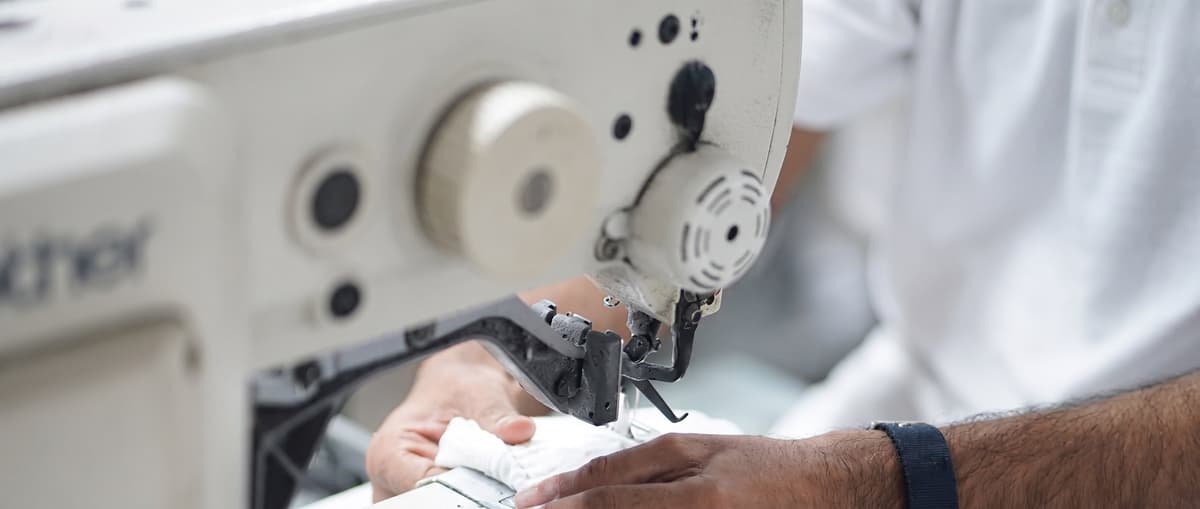
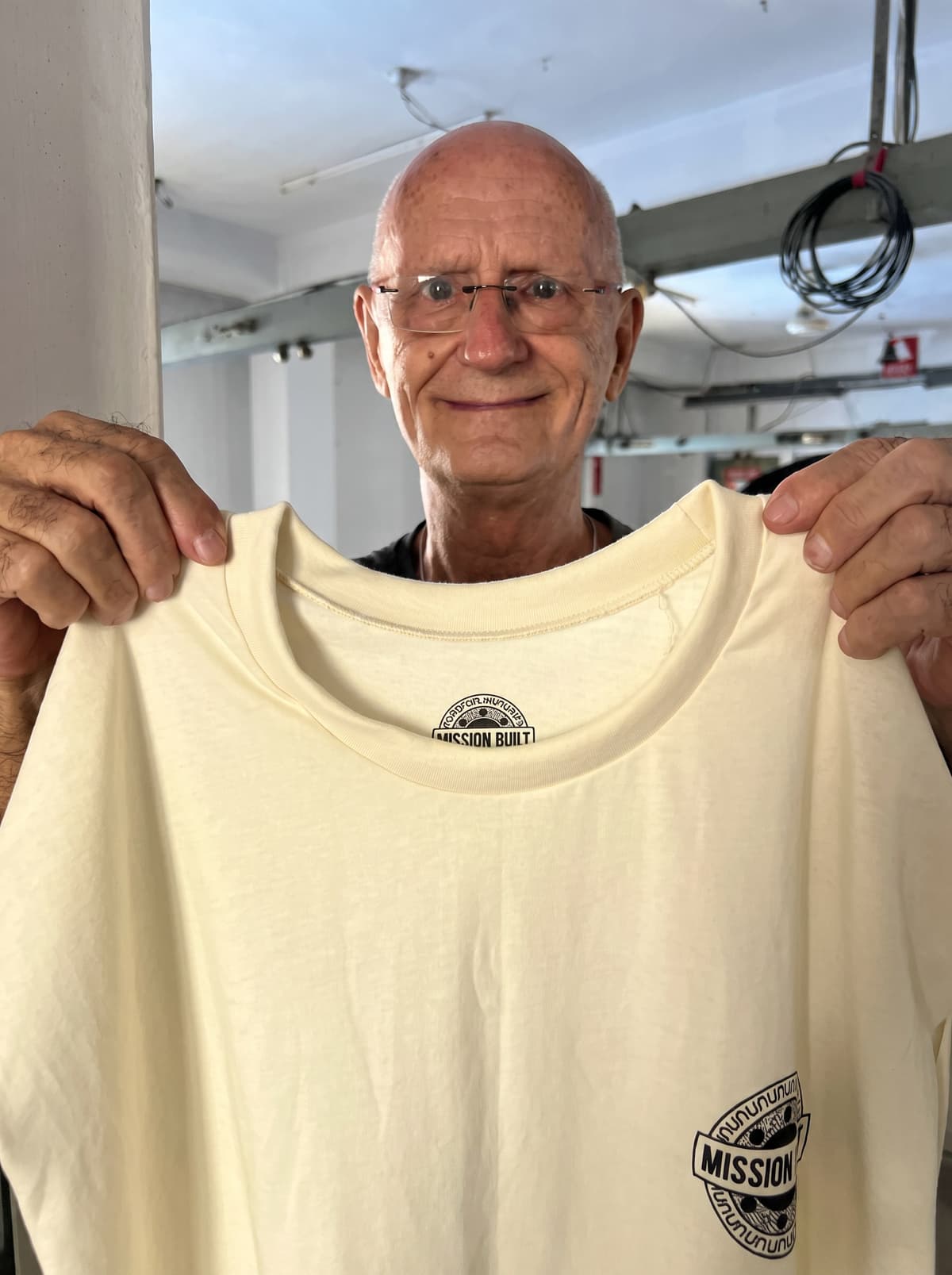
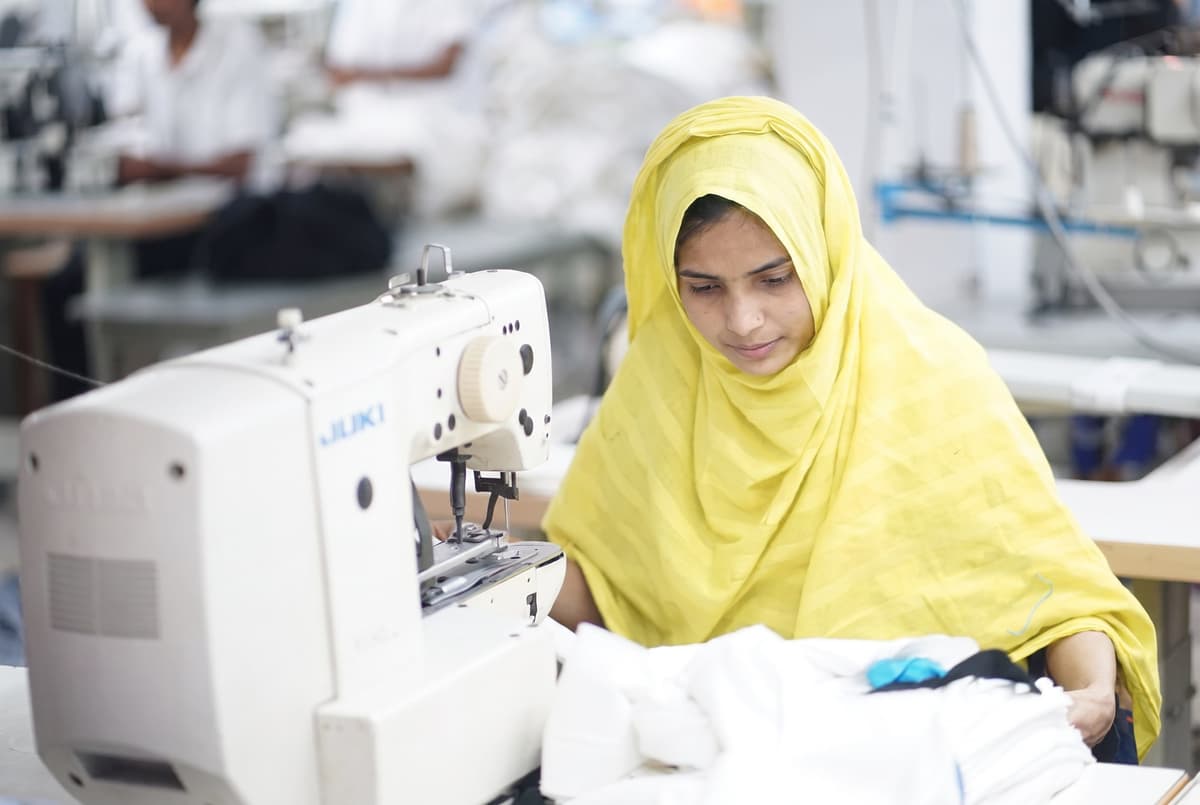
Collective Studio is up and coming. Very hard working people who want to please their customers and grow partnerships together. Homaira is very knowledgeable in the knit industry and always willing to learn more. We are looking to grow our business with them.
Talk to the factory directly: +880 1980 055021 · hello@collectivestudioltd.com
Yes, and it is the highest standard rate in the European Union. Section 82(1) of the VAT Act sets the general rate at 27% of the taxable amount, with 5% and 18% reserved for listed goods that do not include clothing. At import it is charged on the customs value plus any duty, so US$810 on a US$3,000 order. We quote DDP, so it is inside the price you approve, a VAT-registered business recovers it on its return, and a Hungarian-made garment carries the same rate at the till.
No, at present. Bangladesh-made apparel enters every EU member state duty-free under Everything But Arms, on a single-transformation origin rule that our cut-and-sew floor satisfies. Bangladesh is scheduled to graduate from LDC status on 24 November 2026 (an extension is requested and a UN decision pending), and Regulation (EU) 2026/1395 keeps EBA for three years after graduation, so to at least the end of 2029 on the current date. Verified 21 September 2026; we confirm the live position for every order.
By sea to a port and then by rail or road, and we plan both legs. Koper, Rijeka and Trieste sit on the Adriatic, a shorter sea leg from Suez, with Budapest about a day away inland; Hamburg is the northern alternative if you consolidate with German stock. The customs entry is made at the port or at a Hungarian inland office under transit, arranged with your broker so the VAT is Hungarian. Air freight lands at Ferenc Liszt in days.
Hungarian is the official language, and the Commission's guidance on textile labels is to translate into every official national language where the product is made available to the consumer, so we sew Hungarian labels as standard. Regulation (EU) No 1007/2011 sets what the fibre label must say. If you sell across the borders we add Slovak, Romanian, Croatian or German. Under the General Product Safety Regulation the manufacturer's name and addresses also go on the product or packaging.
One hundred pieces per style, per colour. For a Hungarian first range most brands land on three to five hundred pieces across two or three styles, enough to justify the GPSR compliance work once and reuse it on reorders. Splitting a hundred pieces across several colours triggers separate dye lots and prices accordingly, so one colour deep beats three shallow. Our free MOQ calculator models the split.
About ten days for sampling, forty to fifty days for production once the pre-production sample is signed off, then transit: sea to an Adriatic or northern port plus a rail or road leg, which we confirm with the quote, or air freight into Budapest in days. We ship DDP, so the entry, the VAT and delivery are handled on our side and you receive one landed cost and one delivery. The launch-date calculator counts back from your on-sale date.
Trade and regulatory details on this page last verified 21 September 2026. Tariff and compliance terms change — ask us to confirm the current position for your order.
Whether it’s a large bulk or wholesale run or your first batch of 100, send a sketch, a reference, or a sentence. We’ll reply within one business day with fabric options and an indicative price.
Or message the factory directly: WhatsApp +880 1980 055026 · hello@collectivestudioltd.com · Homaira replies within one business day.